Metalheads – The Heavy Metal Subculture
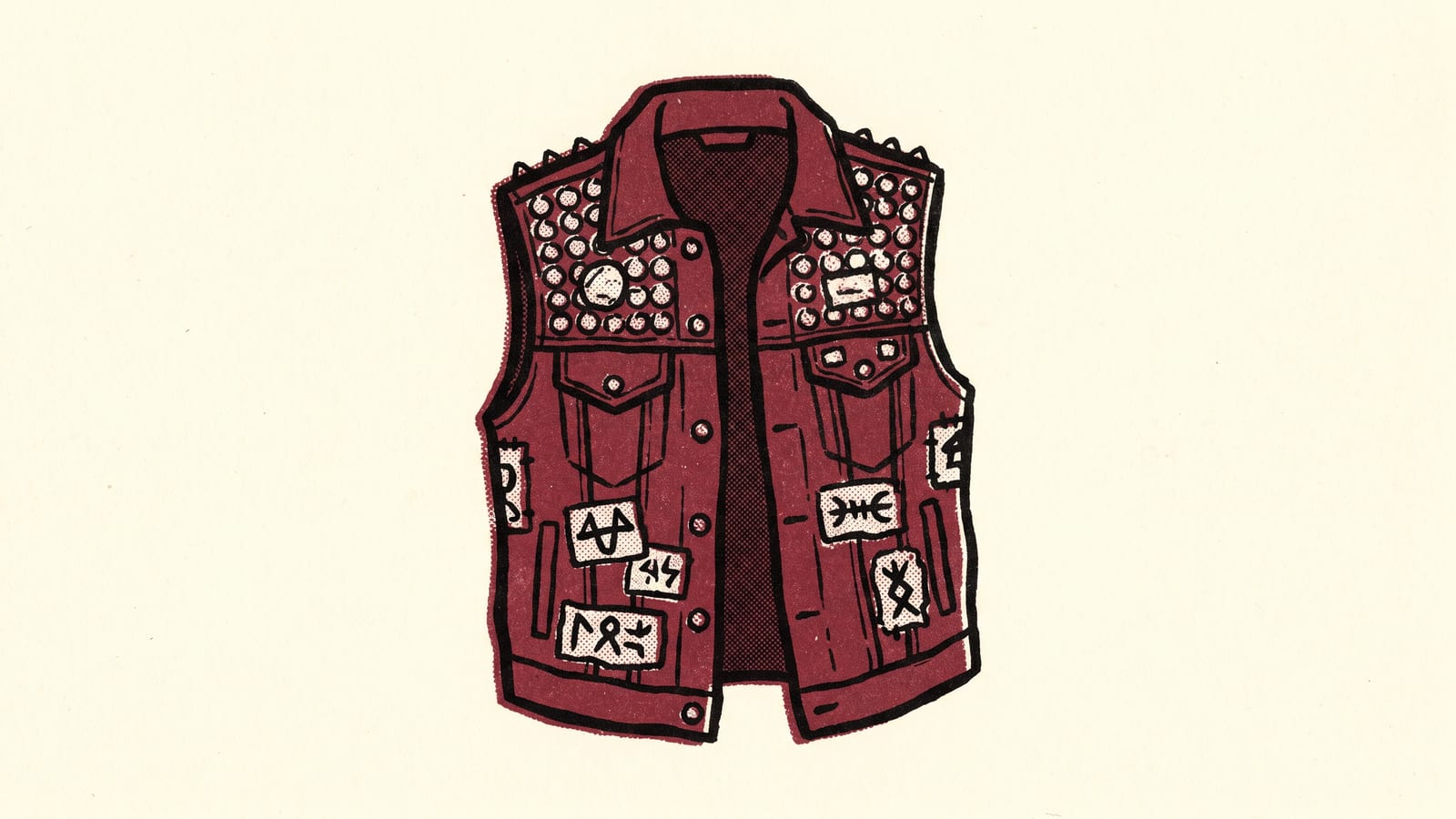
Few subcultures have proven as durable or as geographically dispersed as the metalhead. Fifty-plus years after Black Sabbath released their self-titled debut in February 1970, the subculture built around heavy metal music still functions as a genuine identity, complete with its own dress code, rituals, and tribal loyalties that run deeper than mere fandom.
Where it came from
Heavy metal as a sound grew out of the late-1960s British blues-rock scene. Black Sabbath, Deep Purple, and Led Zeppelin all arrived at a heavier, louder aesthetic around 1969 to 1971, each by a different route. Sabbath leaned into downtuned riffs and occult imagery; Deep Purple into classical-inflected virtuosity; Zeppelin into mythology and dynamics. The word “metalhead” as a self-identifier came later, but the audience for this music was already distinct from the broader rock crowd, skewing younger, working-class in Britain, and increasingly suburban in the United States.
The scene crystallised in the late 1970s with the New Wave of British Heavy Metal, the movement that gave metal its self-consciousness. Bands like Iron Maiden, Judas Priest, and Motörhead built an audience that knew it was a subculture, that collected records and badges, that had a look. The NWOBHM turned metal from a genre into a tribe.
Denim, leather, and the battle jacket
The metalhead uniform has two layers. The base is functional: band T-shirt, dark jeans or leather trousers, heavy boots. Over that goes either a leather jacket or, more distinctively, the battle jacket.
The battle jacket is a denim or leather waistcoat (occasionally a full jacket with the sleeves cut off) covered in band patches and enamel pins. It is a walking discography and a statement of allegiances. The more densely covered the jacket, the longer and more committed the wearer. Patches represent bands you have actually listened to, not ones you think sound credible, and any metalhead worth the designation will notice a poser’s patch selection.
The practice developed organically through the late 1970s and 1980s, accelerating alongside the NWOBHM and then thrash metal. There was no single origin point; it grew from the punk practice of customising clothing and the older biker tradition of cut-off vests with club insignia. Metal took both and made them its own.
Thrash and the 1980s expansion
The early 1980s brought thrash metal, which pushed the music faster and angrier, and pulled the fashion slightly away from the leather-and-studs end toward a more street-level look: ripped jeans, high-top trainers, hooded sweatshirts alongside the denim. Metallica, Slayer, Megadeth, and Anthrax, the four American bands who defined the genre’s commercial peak, all came from a slightly different demographic than the NWOBHM acts, and it showed in the clothes as much as the music.
The thrash expansion also cemented metal’s American stronghold. Where the NWOBHM had been a specifically British moment, thrash was transatlantic from the start, with its biggest bands drawing from New York, San Francisco, and Los Angeles.
A genuinely global subculture
Metal’s reach is unusual. Most subcultures are rooted in specific cities or specific social conditions; metal spread to places that had little in common except a taste for loud guitars. Scandinavia developed its own heavily forested variant, with Norwegian black metal and Swedish death metal becoming influential enough to influence the global scene back in the opposite direction. Brazil had a thriving metal underground by the mid-1980s. Japan built one of the most devoted metal audiences anywhere, with domestic bands and a concert culture that treated the music with the same intensity as the imported acts.
This global spread is not coincidental. Metal, more than most rock subcultures, is held together by the music itself rather than by a shared urban geography or working-class community. The identity travels because it is built around records and the rituals around them, buying, trading, wearing the patches.
What makes it stick
The metalhead subculture has outlasted most of the subcultures that emerged alongside it in the 1970s and 1980s. Part of that is the music’s genuine diversity: the gap between a Sabbath fan and a death metal fan is as wide as any genre gap in popular music, but both will call themselves metalheads. Part of it is the seriousness. Metal fans tend to know the music in depth, to argue fiercely about it, and to regard casual engagement with suspicion. That gatekeeping, annoying as it can be, creates cohesion.
The battle jacket, patched and pinned and entirely personalised, is probably the best single symbol of why the identity holds. It is public, it is permanent, and it is earned.