Deathrock – America's Horror-Punk Goth
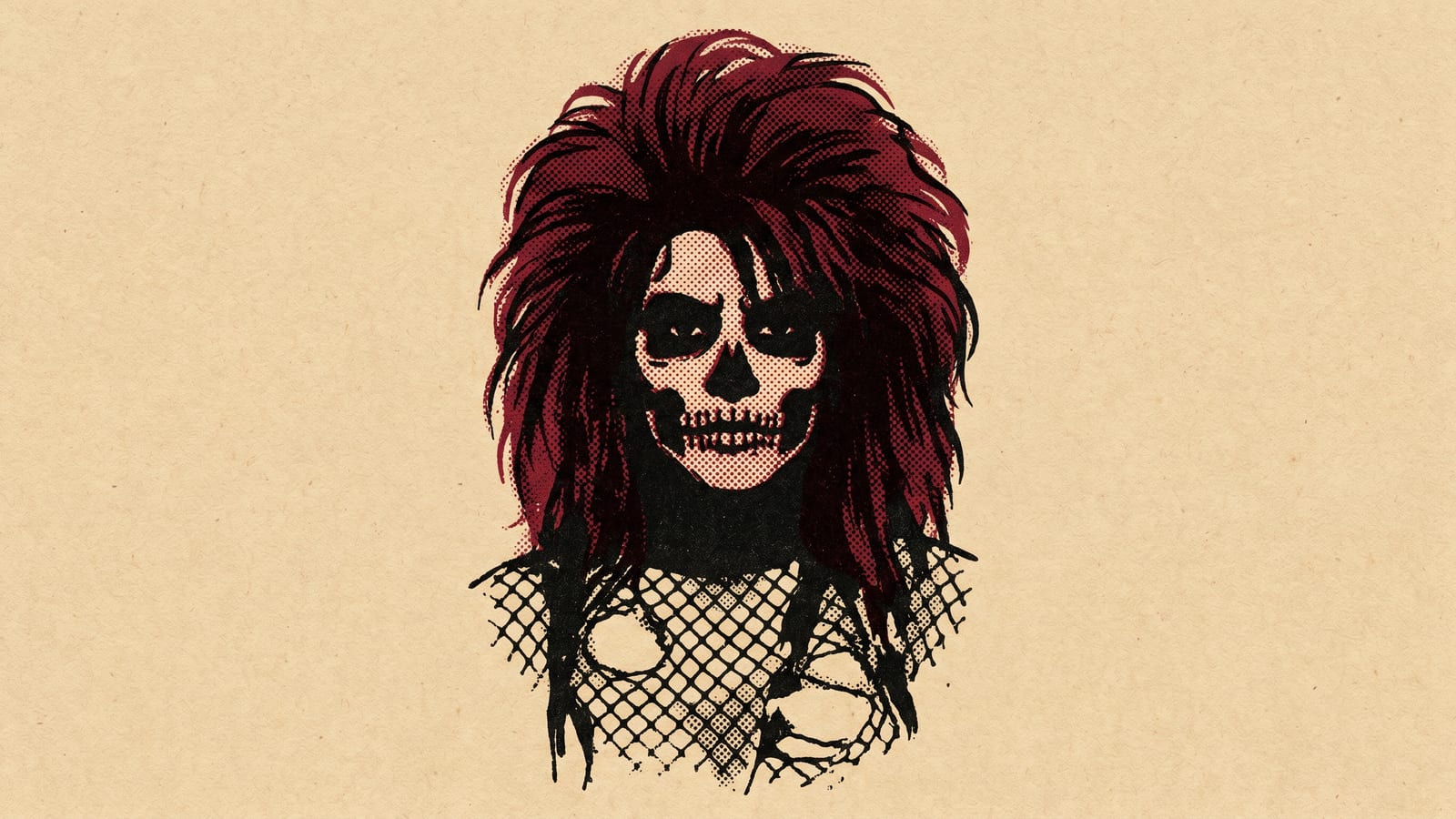
Deathrock is what happened when the Los Angeles punk scene got darker, weirder, and started raiding the horror film section. It emerged on the West Coast in the late 1970s as its own distinct thing, running parallel to the UK goth scene without being derived from it. The two scenes would eventually bleed into each other, but deathrock has a separate origin and a noticeably rawer character.
The LA Scene It Came From
The starting point is the Southern California punk scene of 1977 to 1979. Among the bands playing the same circuit as hardcore and new wave acts, a handful were doing something darker: The Flesh Eaters (formed 1977), Kommunity FK, and 45 Grave (both 1979) all leaned into gloom, horror imagery, and a slower, more theatrical version of punk energy. They were not yet called deathrock. They were just considered a grimmer corner of the existing punk world, playing the same clubs, sharing the same bills.
The term came later, applied retrospectively to a scene that had already defined itself on its own terms.
Christian Death and the Album That Named It
The band most identified with deathrock is Christian Death, formed in Los Angeles in 1979 by vocalist Rozz Williams. Their 1982 debut album, Only Theatre of Pain, released on Frontier Records, is widely considered the defining document of the genre. It is slow, unsettling, and deeply theatrical. The guitars are effects-heavy and droning; the synths evoke horror film soundtracks rather than post-punk coolness; the vocals are operatic in a way that owes more to Gothic literature than to Ian Curtis.
Williams grew up in Pomona in a Christian household, and the band’s imagery drew heavily on blasphemous inversion of Christian symbolism, crucifixes, liturgy, and the iconography of suffering. This gave deathrock a distinctly American religious anxiety that UK goth, with its more secular Northern English sensibility, did not share.
Williams left the band in 1985. He died in 1998. The band continues under vocalist Valor Kand, a situation that has generated debate for decades about who owns the name, but the Williams era is the one people mean when they talk about deathrock’s founding text.
45 Grave and the Horror Aesthetic
45 Grave brought a different flavour to the same scene. Fronted by Dinah Cancer (Mary Ann Sims, born 1960), the band leaned hard into B-movie horror aesthetics: zombie imagery, theatrical stage makeup, the graveyard iconography that made the name literal. The Grammy Museum in Los Angeles has cited both 45 Grave and Christian Death as early proponents of American gothic rock.
The visual template 45 Grave helped establish is still recognisable: white-powdered faces, heavy black eye makeup, ripped fishnets, leather, and platform boots. The look drew from punk practicality but pushed it toward the theatrical, the undead, the deliberately grotesque.
Not UK Goth, but Closely Related
The UK goth scene grew from post-punk acts like Bauhaus, Joy Division, Siouxsie and the Banshees, and The Cure. That tradition is more atmospheric, more art-school, built on processed guitars and synthesizers constructing cold, sorrowful soundscapes. Deathrock is angrier and more explicitly horror-driven. The punk roots stay audible. Where UK goth often reaches for the literary and the romantic, deathrock reaches for the visceral and the B-movie.
The two scenes knew about each other and cross-pollinated through the 1980s, particularly as bands toured internationally and fanzine culture connected listeners across the Atlantic. By the mid-1980s, the distinctions had blurred considerably in practice even if they were still meaningful in origin.
Why It Matters
Deathrock established that goth in America did not have to be an import. It built its own mythology from local materials: Southern California punk venues, horror film culture, religious imagery taken apart and reassembled, and a very American willingness to be theatrical about all of it. The bands that came after, including the wider US goth scene of the 1980s and the horror punk strand running through bands like the Misfits, all owe something to what Christian Death, 45 Grave, and Kommunity FK worked out in Los Angeles first.