Goth – From Post-Punk to a Lasting Subculture
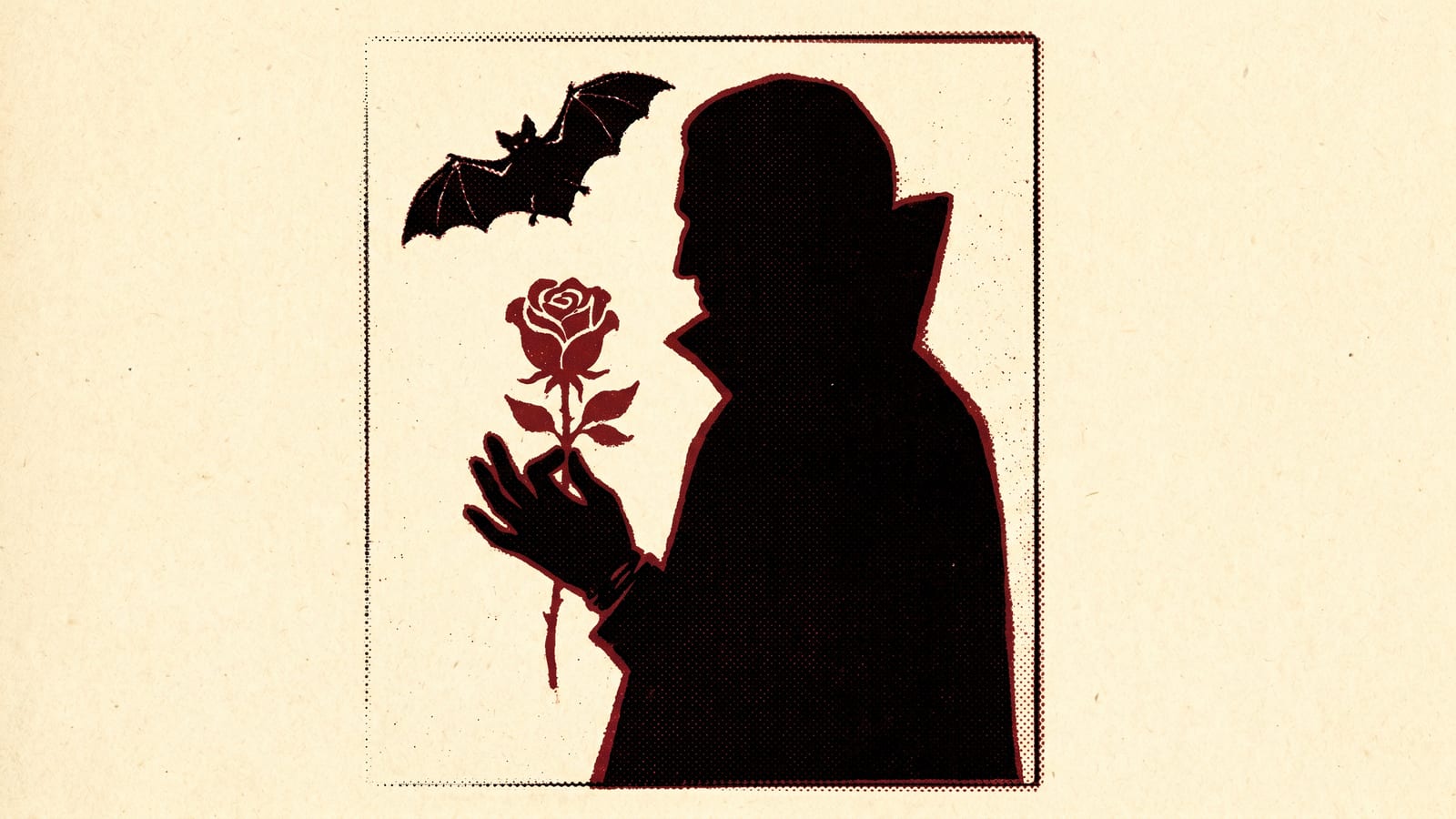
Goth is one of the few subcultures from the late 1970s and early 1980s that never really went away. Punk collapsed into revivals and nostalgia. New Romantic dissolved into pop. Goth just kept going, absorbing new influences without losing its core logic: darkness as aesthetic, outsider identity as commitment, and an unusually literate relationship with its own history.
Out of post-punk
Goth did not arrive fully formed. It grew out of post-punk, the tendency that followed the initial punk explosion and turned inward. Where punk was blunt and confrontational, post-punk was more experimental, more interested in texture and atmosphere, more willing to be unsettling rather than just loud.
Bauhaus crystallised that shift in a single record. “Bela Lugosi’s Dead,” released in August 1979 on Small Wonder Records, ran for nearly nine minutes, built around a sparse bass line, swirling guitar, and Peter Murphy’s theatrical baritone. Nothing quite like it existed. It was not gothic rock by name yet, but it is the record that gets cited first whenever anyone tries to date the beginning of the genre.
Siouxsie and the Banshees had already released their debut album, The Scream, in November 1978, with a sound that drew from punk but pushed much further into dissonance and cold tension. Siouxsie Sioux’s stage presence was its own argument: dramatic eye makeup, black clothing, a refusal to be approachable. She was not performing alienation; she was embodying it, and a generation of women in particular took note.
The Cure arrived alongside them. Three Imaginary Boys, released in May 1979, showed a band still finding its footing, but records like Seventeen Seconds (1980) and Faith (1981) made Robert Smith’s trajectory clear: introspective, melancholic, obsessively detailed in its bleakness.
The Batcave and the scene solidifying
By 1982, a scene had formed around these bands and their audience, and it needed a room. The Batcave opened on 21 July 1982 at the Gargoyle Club on Dean Street in Soho, running every Wednesday night. It became the physical centre of early British goth: the bands, the fans, the look, all converging in one basement.
The Batcave crowd was visually distinct in a way that mattered. Teased black hair, pallid skin, black clothing layered with lace and Victorian references, heavy kohl. This was not an accident or a pose lifted wholesale from somewhere else. It was a coherent aesthetic language assembled from glam rock, horror imagery, and a certain theatrical strain of post-punk that took its visual cues as seriously as its music.
What the music actually sounded like
Goth music in its classic form trades in atmosphere over aggression. Reverb-heavy guitars, prominent bass, drum machines or live drums mixed to sound cavernous, and vocals pitched toward drama rather than rawness. The tempos tend to be slower than punk, the mood more contemplative.
The lyrical territory is not simply “dark” in a vague sense. Death, desire, religious imagery, loss, the uncanny: these are treated with a seriousness that distinguishes goth from shock value. Bands like Sisters of Mercy, who emerged out of Leeds in the early 1980s, pushed the sound toward something colder and more mechanical without losing that sense of considered intent.
Why it lasted
Most subcultures from this era peaked and contracted. Goth grew. Part of the reason is that it always had a strong DIY infrastructure: independent labels, mail-order networks, specialist clubs in mid-sized cities, eventually the internet. It did not depend on mainstream validation.
The other part is that the underlying sensibility translates across generations. The experience of feeling like an outsider, of finding something genuine in what mainstream culture codes as morbid or excessive, does not expire. Every generation produces teenagers who feel that pull, and goth’s visual vocabulary is clear enough that new arrivals can recognise it and find it.
Industrial and darkwave crossovers in the 1990s, the “mall goth” broadening in the late 1990s and 2000s, the current wave of trad-goth revivalism running through small clubs and record fairs, they are all the same conversation, just at different points in time. The argument Bauhaus made with nine minutes of bass and reverb in 1979 is still being answered.