Suedehead Music – Reggae, Soul, and Trojan
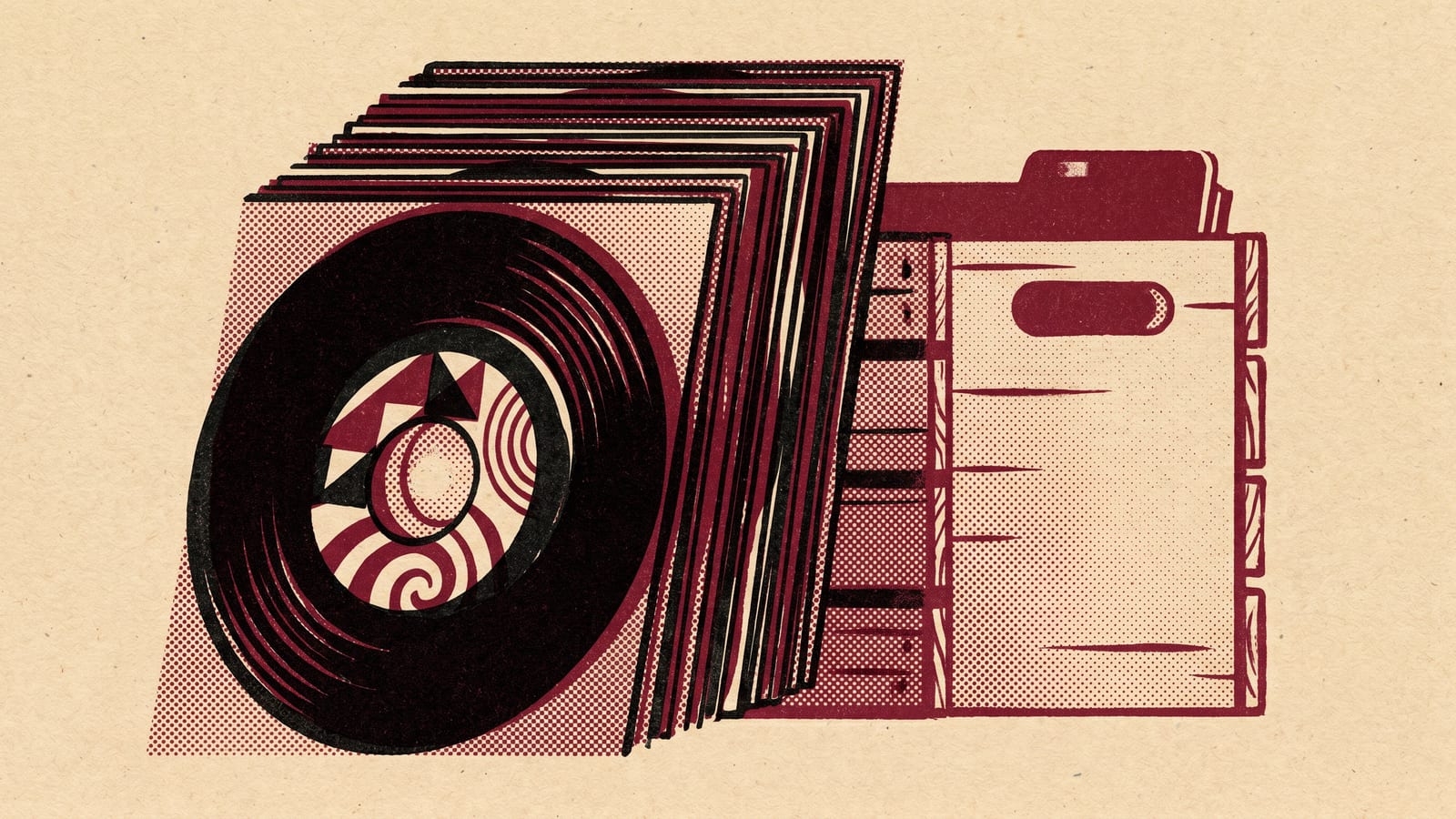
The suedeheads did not abandon the music that had defined the skinheads before them. They refined it, expanded it, and in some cases went deeper into it than the skinhead scene had managed. Reggae stayed central. Soul, R&B, and the northern soul circuit pushed in alongside it. The result was a soundtrack that is broader and more interesting than the subculture’s short-hair-and-Crombie image usually gets credit for.
The Trojan inheritance
You cannot talk about suedehead music without starting at Trojan Records. Founded in 1968, the London label became the main pipeline through which Jamaican reggae, rocksteady, and ska reached British youth, and its catalogue defined skinhead music as a distinct taste before suedeheads even existed. Symarip’s “Skinhead Moonstomp” (1969), the Harry J All Stars’ “The Liquidator,” the Upsetters’ “Return of Django”, these were already anthems by the time the suedehead style emerged in the early 1970s.
Suedeheads inherited all of that and kept buying. Trojan was still releasing heavily into the early 1970s, and the label’s output moved with the suedeheads rather than being left behind. Dave and Ansel Collins gave the label its first number one with “Double Barrel” in 1971. The Pioneers, Desmond Dekker, Bob and Marcia, Nicky Thomas, all were staples in this world. The appeal was the same as it had been for skinheads: tight rhythms, bass weight, and a directness that British pop radio could not touch.
What shifted slightly was the relationship to the music. The skinhead crowd had embraced early reggae partly because it was raw and dancefloor-ready, and partly because of the genuine social overlap between white working-class youth and the British West Indian communities who brought the sound over. By the suedehead years that connection was still real, but the crowd was also more consciously connoisseurist about it. Collecting Trojan pressings was part of the identity.
Soul and R&B
Alongside reggae, suedeheads were serious followers of soul and R&B. This was not new, the skinhead scene had always had a soul strand, rooted in the same mod inheritance that produced the whole working-class sharp-dressing tradition, but in the early 1970s the soul interest deepened.
American soul, Stax, Motown, and the harder Atlantic sound all featured. The connection ran directly into northern soul, the network of all-nighters and clubs in the Midlands and the North of England that devoted themselves to obscure, uptempo American soul 45s. Wigan Casino, which opened its famous all-nighters in September 1973, became the defining venue, but the network had roots going back further and the suedehead audience was part of its early constituency.
Northern soul and the suedehead scene overlapped at the level of taste and, to some extent, style. Both demanded that you knew your records, that you had done the work. A record that was obvious or overplayed was less valuable than one you had found. That crate-digging seriousness, applied equally to Trojan reggae and obscure American soul, is one of the things that distinguishes the suedehead music world from what came after.
Glam and the edges of the tent
Not everything in the suedehead scene was Jamaican or American. As the early 1970s wore on, some of the crowd moved toward British glam: Slade, the Sweet, Mott the Hoople. This was contested territory, for the purists it sat awkwardly against the reggae and soul core, but it reflects the fact that suedeheads were never a sealed tribe. They were young people navigating what was available on the charts alongside what they sought out in specialist shops.
The glam crossover also explains why the suedehead scene is sometimes described as a transition or a dissolution, a moment when the tightly defined skinhead subculture began to bleed into the broader early-1970s pop landscape. That is partly true. But the reggae and soul spine held, and it held long enough to connect directly to what came next.
The two-tone thread
The musical sensibility of the suedeheads did not evaporate when the subculture faded as a distinct identity. The Trojan catalogue remained a reference point, and when the late-1970s two-tone revival arrived with the Specials, Madness, and the Beat, it was drawing on exactly the same records that suedeheads had been playing years earlier. The Specials covered “Skinhead Moonstomp.” Madness built their whole early image on the ska and reggae lineage.
That continuity is not accidental. The suedehead years kept the music alive and valued between the original skinhead moment and the two-tone explosion. The Trojan sound did not skip a generation, it was handed forward by people who took it seriously.