SHARP – Skinheads Against Racial Prejudice Explained
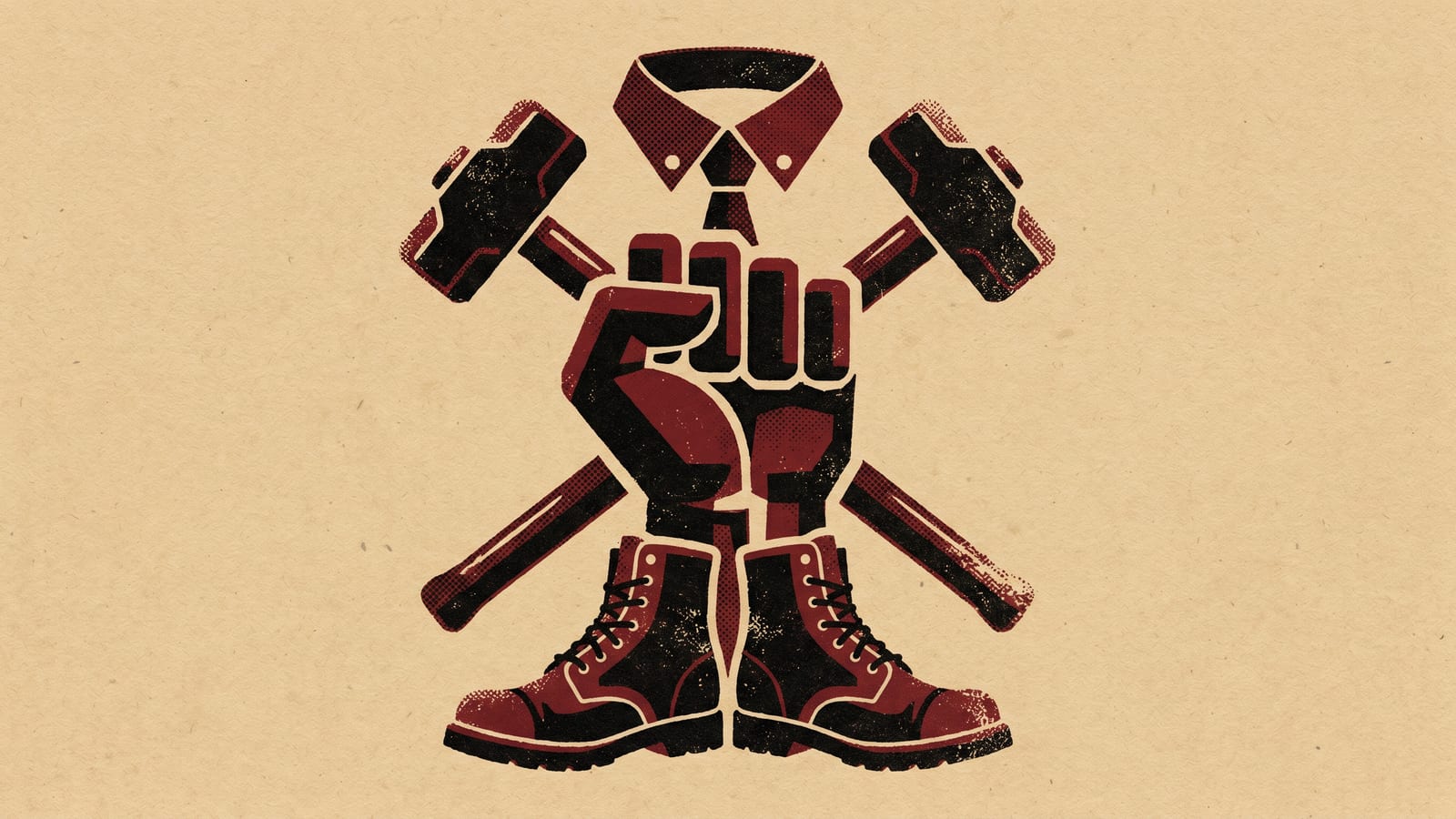
SHARP stands for Skinheads Against Racial Prejudice. If you have ever wondered how a subculture so often tied to racism in the popular imagination also produced an explicitly anti-racist movement, this is the answer. SHARP is not a separate style or a different way of dressing. It is a stance, adopted by skinheads who wanted to make one thing clear: the original skinhead scene was never about white supremacy, and they were taking it back.
Where SHARP came from
The skinhead subculture began in late-1960s Britain as a working-class scene built on ska, reggae, and rocksteady, music made largely by Black Jamaican artists. The early scene mixed white and West Indian youth. Racism did not define it.
That changed through the late 1970s and 1980s, when far-right groups like the National Front actively recruited from skinhead crowds, especially around some Oi! and punk gigs. The press ran with the image, and “skinhead” became shorthand for “neo-Nazi” in a lot of people’s minds. Traditional skinheads call these recruits boneheads, and the word is meant as an insult.
SHARP formed in New York City in 1987, founded by skinheads who were tired of being lumped in with the racist faction. The idea spread quickly to Britain and the rest of Europe, where local SHARP chapters pushed back against far-right organizing inside the scene.
What SHARP actually stands for
The core message is narrow and deliberate. SHARP is anti-racist. It is not, as a movement, a single political party or a complete ideology. SHARP skinheads come from across the political spectrum, and the group has always insisted that being a skinhead is about working-class identity and music, not race.
This is worth being precise about, because people often confuse SHARP with RASH (Red and Anarchist Skinheads), which is explicitly left-wing. SHARP and RASH overlap in practice but are not the same thing. SHARP’s stated line is simpler: you do not have to share a politics to agree that the racists do not own this culture.
How to recognize a SHARP skinhead
There is no separate uniform. A SHARP skinhead wears the same boots, braces, Fred Perry, and Harrington as any other traditional skin. The signal is usually a patch, badge, or tattoo carrying the SHARP logo, which adapts the Trojan Records helmet, a nod to the reggae label that soundtracked the original scene.
Beyond the logo, the lace color codes that supposedly mark allegiance are mostly an American and largely overstated phenomenon. Most skinheads, SHARP or otherwise, pick laces because they look good with the boots.
Why it still matters
The reason a movement like SHARP exists at all is that the skinhead subculture carries a genuine, unresolved tension in its public image. The honest version of the history is that the scene started anti-racist by default, was partly hijacked, and that a chunk of the people inside it spent decades fighting to make the original meaning stick. SHARP is the name of that fight.
If you want the wider context, start with the skinhead overview and the history of skinhead fashion.