Hardcore Punk – Faster, Harder, DIY
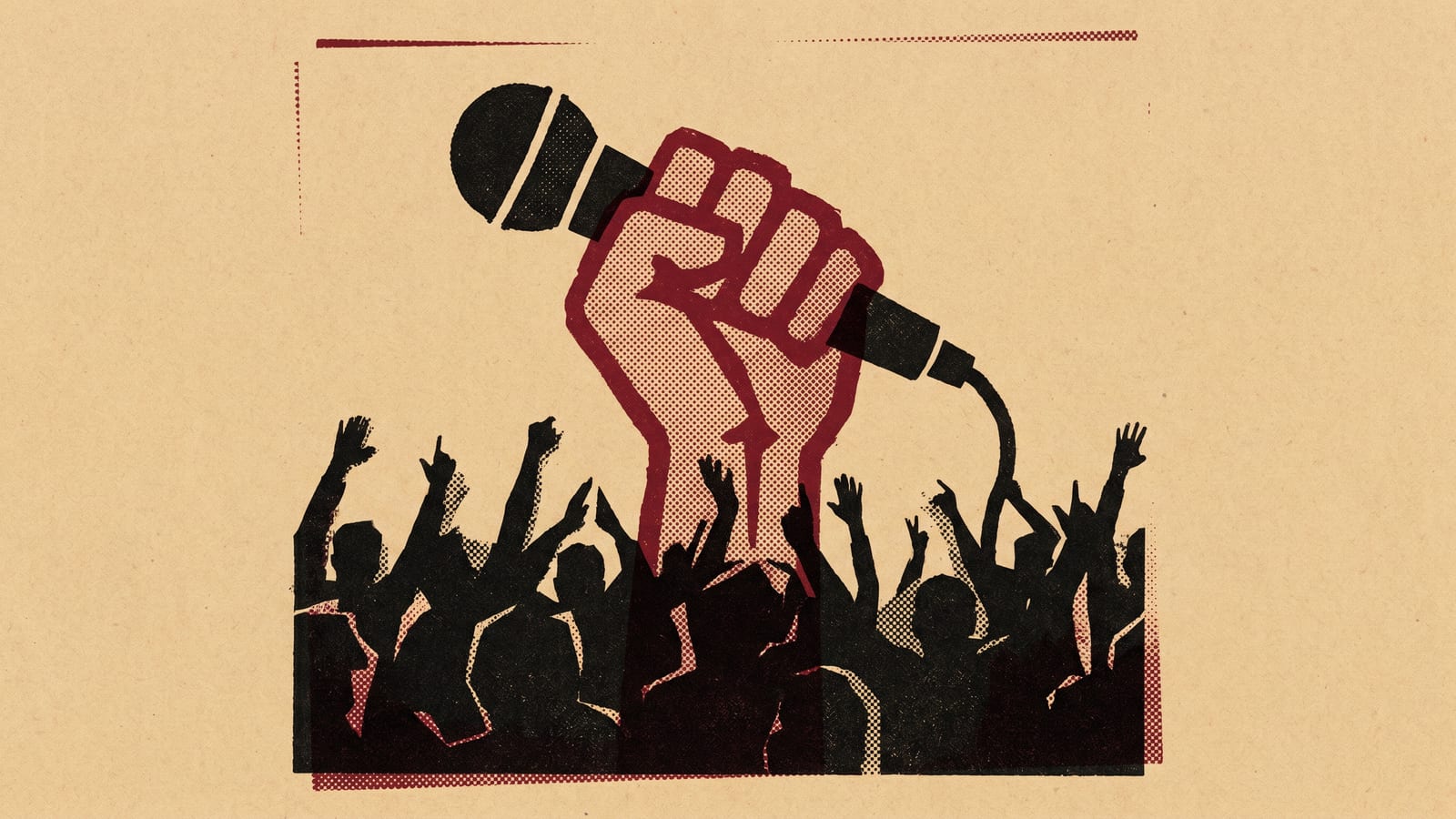
Hardcore punk is what happened when the original punk wave hit America and a generation of teenagers decided it wasn’t fast enough or angry enough. By the early 1980s, bands in Los Angeles, Washington DC, and a handful of other cities had stripped punk down to something rawer and more extreme, built entirely on their own terms, without major labels, without industry approval, and in many cases without mainstream venues willing to book them.
The Break from British Punk
The British punk of 1976-1977 had a template: three-minute songs, a certain amount of pop structure, bands that at least gestured at commercial viability. American hardcore rejected that template deliberately. Songs got shorter and faster, sometimes under a minute. The emphasis shifted from hooks to intensity. The point was not to be catchy; it was to be overwhelming.
The scene also developed in a different social context. American hardcore kids were suburban as often as urban, bored and alienated in a Reagan-era landscape of dead-end towns and economic contraction. That specific boredom fed directly into the music’s aggression.
Black Flag and the West Coast
The Los Angeles band Black Flag were the central force in shaping what hardcore became. Founded by guitarist Greg Ginn in Hermosa Beach in 1976, the band released the Nervous Breakdown EP in 1978 on Ginn’s own SST Records, one of the first and most important hardcore labels. The EP set the template: short, fast, barely controlled, with a bleak lyrical edge far removed from British punk posturing.
Through a series of vocalist changes, Black Flag built a reputation for relentless touring and confrontational shows. When Henry Rollins, a DC fan, jumped onstage to sing with them during a New York show in 1981 and ended up joining the band, the chemistry clicked. Rollins’s physical, intensely personal performance style became inseparable from the band’s identity through their most productive years.
SST became the label that defined American hardcore and its successors, releasing records by bands that shaped underground rock well into the decade.
Minor Threat and Washington DC
The DC scene produced a different flavour of hardcore, tighter and more disciplined, and Minor Threat were its defining band. Formed in 1980 by Ian MacKaye and drummer Jeff Nelson, the band released their self-titled EP in 1981 on Dischord Records, the label MacKaye and Nelson had founded themselves the previous year.
Minor Threat’s music was fast and aggressive, but the DC approach tended toward precision rather than chaos. MacKaye’s lyrics were direct and argued positions: the song “Straight Edge” on that first EP gave a name to the philosophy now associated with straight edge culture, a commitment to sobriety as a form of resistance in a scene where substance abuse was the norm. The term, and the movement built around it, spread outward from that single song on a seven-inch record released by a teenage band on a self-funded label.
Dischord’s model was equally important. The label operated on a strict code: fair prices for records, control staying with the artists, transparency about costs. That approach influenced how dozens of independent labels would operate throughout the decade.
The DIY Ethic
What held the hardcore scene together across its geographic spread was not a sound but a set of values. DIY (do it yourself) meant pressing your own records, booking your own tours through a network of sympathetic venues and house shows, publishing your own fanzines, and keeping the whole operation outside the commercial music industry.
This was partly ideological and partly practical. Commercial labels showed no interest, and hardcore bands had no interest in courting them. The result was an infrastructure built from scratch: touring networks, record distribution chains, a fanzine culture that served as the scene’s press and criticism, and labels like SST and Dischord that operated as genuine alternatives to the mainstream.
The fanzine circuit especially mattered. Publications traded between cities carried news, reviews, and band contacts that let the scene function as a national network long before anything like the internet existed.
Legacy
Hardcore’s influence runs deep and wide. The production values, the independent infrastructure, and the confrontational ethics of the early 1980s scene fed directly into the alternative and indie rock movements of the later decade. Bands formed in hardcore often moved outward from it, carrying the DIY logic into new sounds. Dischord in particular kept going and shaped the post-hardcore and art-punk directions that followed Minor Threat’s 1983 breakup.
The speed and aggression also left a direct imprint on metal, eventually feeding into thrash and the heavier ends of independent rock. But the most lasting inheritance may be the simplest one: the idea that a small group of people with minimal resources could build their own scene, distribute their own music, and operate entirely outside the structures that were supposed to control access to an audience. That idea did not originate with hardcore, but hardcore proved it at scale.